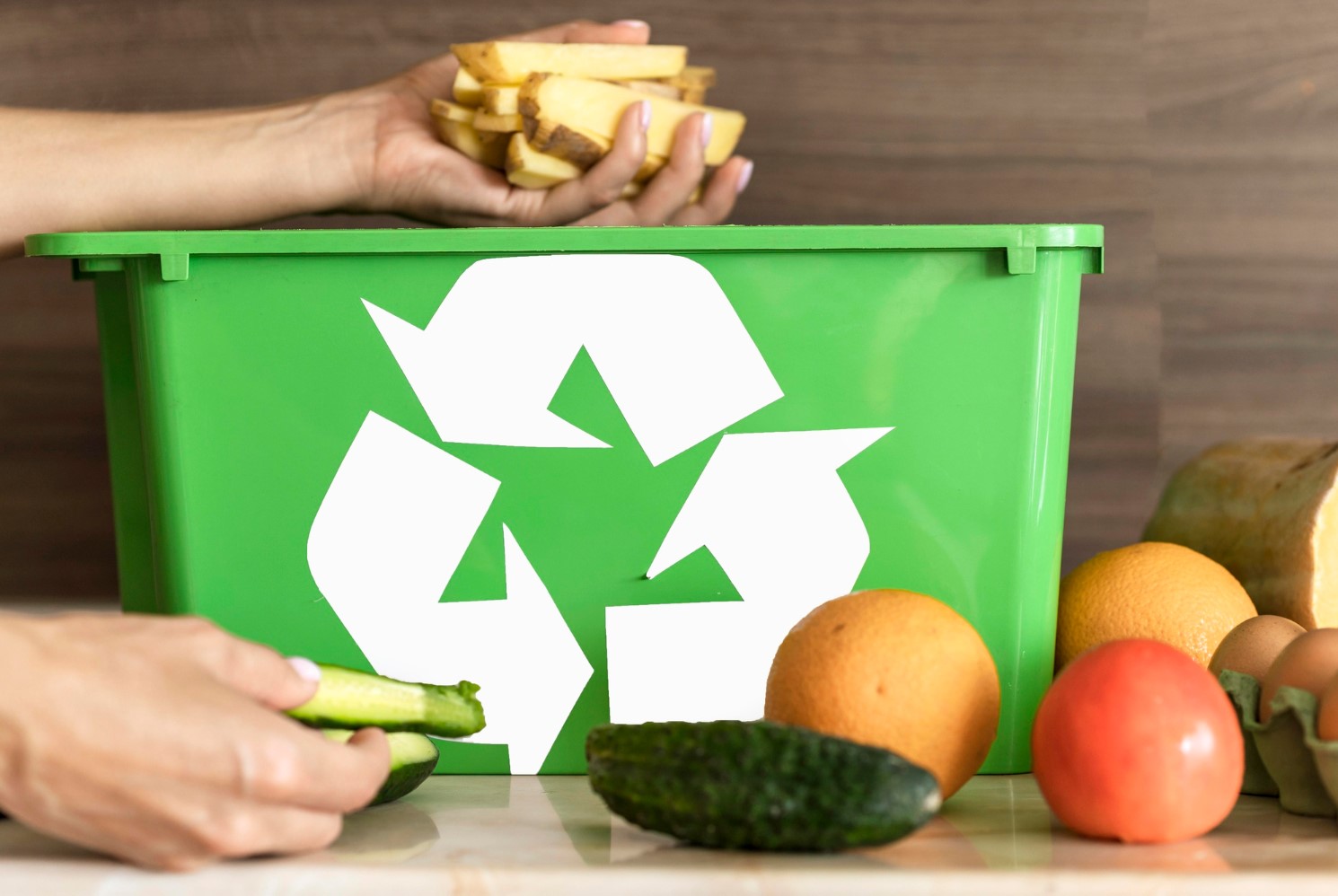
Zero-Waste Kitchen: How to Reduce Food Waste at Home
A compost bin in the corner and reusable produce bags are great tools—but they won’t fix your waste problem if your habits haven’t changed. Creating a zero waste kitchen begins not with gadgets, but with how you think about food.
Most waste happens long before anything hits the trash. It starts at the store, when you buy more than you need because “it might come in handy.” Or at home, when you forget the leftovers until they smell like science experiments. Reducing waste isn’t about perfection. It’s about noticing patterns and nudging them in the right direction.
Take portion sizes. We often cook like we’re feeding ten, not three. Or we overstock the fridge after a grocery run without checking what’s already inside. The result? Wilted greens, expired yogurt, and another unopened jar of something you forgot you had.
The shift begins when you stop treating food as disposable. Once you view each item as something that took energy, water, labor, and time to produce, it becomes harder to toss it without pause. That change in mindset is what transforms a trendy “zero-waste” goal into a long-term lifestyle.
The goal isn’t to shame yourself over every spoiled tomato. It’s to get curious. What do you waste most often? Why? And how can you adjust so that food ends up in your body, not your bin?
The Most Common Ways Food Gets Wasted at Home
Food waste doesn’t happen because people are lazy or careless. It happens because most homes are chaotic, meals are rushed, and intentions don’t always match reality. But when you start paying attention, you’ll notice patterns. And once you see them, you can start changing them.
Let’s start with the usual suspects—the quiet culprits behind most kitchen waste.
Here’s where things typically go wrong:
- Overbuying “just in case”. That pack of mushrooms looked fresh on Monday. By Friday, it’s turned into soup on its own. Buying without a plan leads to abandoned ingredients and last-minute takeout.
- Losing track of leftovers. You meant to eat the pasta for lunch. But then Tuesday happened, and now it’s three days old and questionable. Out it goes.
- Misreading expiration dates. “Best by” is not the same as “dangerous after.” Tons of edible food ends up in the trash because of misunderstanding vague date labels.
- Letting the fridge become a black hole. That back corner? It’s where half-cut onions and wilted herbs go to be forgotten. Lack of visibility leads to duplicate purchases and waste.
- Fearing imperfection.A bruised apple? A slightly soft tomato? Still edible, still delicious. But if you’re conditioned to expect perfection, you’ll throw them out “just to be safe.”
- Improvising without checking what’s at home. Starting a recipe only to realize you’re out of a key ingredient can lead to scrapping the whole idea—and the partially prepped food.
None of these are rare. Most families face at least three of these issues weekly. The trick isn’t eliminating them overnight. It’s noticing which ones show up most often in your kitchen—and designing small shifts that make them less likely.
Food Waste Solutions That Actually Work in Daily Life
Forget the Pinterest-perfect meal plans or kitchen hacks that require five hours of prep on a Sunday. Food waste solutions don’t need to be complicated. They need to be realistic—especially if you’re juggling work, kids, or simply trying to stay sane by dinnertime.
The goal isn’t zero food waste overnight. It’s about building a system that makes it harder to waste food in the first place. That usually means doing a little bit less of something, not more.
Here are practical habits that make a difference—no superhuman effort required:
- Make your fridge boring again. When your fridge isn’t overstuffed, you see what you actually have. Keep it 60–70% full so ingredients don’t get buried behind jars of mystery.
- Design meals around what’s already there. Before you shop, snap a quick photo of your fridge or make a list of things to use up. Plan meals that revolve around those “about to go” ingredients.
- Rebrand your leftovers. Tuesday’s roasted veggies can become Wednesday’s wrap filling. Friday’s rice becomes fried rice on Saturday. Changing context is the secret to making repeats feel new.
- Freeze more, earlier. You don’t have to wait until food is “on the edge” to freeze it. Extra tomato paste, overripe bananas, or half a loaf of bread? Freeze it now, thank yourself later.
- Use the “Eat First” zone. Designate a fridge shelf for items that need to go soon. It makes it easy to spot them—and even easier to use them before they die quietly in the back.
- Get friendly with portioning. Not everything needs to be cooked in family-of-eight quantities. Cook what will actually be eaten, and freeze the rest immediately if it’s extra.
These are not Instagrammable miracles. They’re boring, useful routines that reduce guilt, waste, and grocery bills. The less food you throw out, the more money you save—and the less stress you carry when you open the fridge.
Sustainable Cooking: Recipes and Habits for Everyday Use
When people hear sustainable cooking, they often imagine bland lentils and complicated batch-cooking schedules. But cooking sustainably isn’t about cutting out joy—it’s about changing the way you approach ingredients, leftovers, and even your spice drawer.
At its heart, sustainable cooking is creative. It pushes you to improvise, to make swaps, to stretch what you already have instead of chasing new recipes that require an hour and a half and 19 ingredients.
These everyday habits support a more sustainable kitchen—without sacrificing flavor:
- Cook what’s in season. Seasonal produce is fresher, cheaper, and often grown closer to home. That reduces transportation waste and usually means fewer preservatives.
- Treat scraps like ingredients. Broccoli stems? Slice and sauté. Carrot tops? Make pesto. Leftover rice? Fried rice. Wilted greens? Stir them into pasta or soup.
- Master the “fridge clean-out” meal. Once a week, skip the fancy recipe. Just build a meal using what’s left. Veggie frittatas, grain bowls, soups, or stir-fries are all fair game.
- Make friends with soups and stews. Soft veggies, slightly sour cream, aging herbs—they all find a home in soups. These dishes are forgiving and perfect for using up bits and pieces.
- Stop peeling everything. Potato skins, apple peels, even cucumber skins are edible and full of nutrients. Washing well often works just as well as peeling.
- Get into flexible recipes. Think less “exact” and more “what do I have?” Stir-fry, chili, curry, pasta bakes—they all welcome substitutions.
This kind of cooking is less about following rules and more about tuning into what your kitchen is already offering. It’s messy, resourceful, and often more delicious because of it.
How to Involve the Whole Household Without Nagging
A zero-waste mindset isn’t meant to live in just one person’s head. If you’re the only one composting onion skins while everyone else throws away half-eaten sandwiches, burnout is guaranteed. The key? Make sustainability a shared story, not a solo performance.
Start by showing—not telling. If your partner sees you label containers or freeze leftovers that actually get used later, it sticks more than a lecture ever will. Kids, especially, copy behavior before they understand logic.
Tips to bring your people on board (without sounding like a broken record):
- Make food rescue a game for kids. Challenge them to spot which veggies need to be used first. Or give them “scrap chef” roles during fridge cleanout dinners.
- Share the “why,” not just the “what”. People are more likely to care if they understand the bigger picture. Talk about food waste as a waste of money, effort, or even water—not just a compost issue.
- Assign small kitchen roles. Let someone be in charge of the “eat first” shelf. Or ask your partner to track what gets tossed weekly—it builds awareness quickly.
- Don’t guilt anyone into change. Shame shuts people down. Curiosity and humor pull them in. Celebrate small wins instead of pointing out slip-ups.
Involving others isn’t about enforcing rules. It’s about building shared rhythms where being mindful of waste feels normal—not forced.
Small Tech and Smart Tools That Help Reduce Waste
You don’t need to turn your kitchen into a spaceship, but the right tools can make waste reduction easier—and honestly, less annoying. This isn’t about smart fridges with grocery scanners. It’s about small upgrades that prevent waste before it starts.
Low-effort, high-reward tools to consider:
- Clear containers. Being able to see leftovers makes it far more likely you’ll actually eat them.
- Label + date system. A roll of masking tape and a marker go a long way. Know when that sauce was made and avoid “sniff tests.”
- Compost bin with a lid that seals. Less smell = more likely to use it. Keep it on the counter if possible.
- Portion-friendly cookware. Smaller pans and baking trays encourage right-sized meals. Cooking for two in a pot made for six almost always leads to extra waste.
- Freezer-friendly containers. Not all Tupperware is created equal. Invest in ones that stack, seal, and survive the cold without cracking.
- A “use it up” board. Write down items that are close to expiring. Keep it visible. Turn it into a challenge to make a meal before the deadline hits.
None of these will fix waste alone, but together, they remove friction. That’s often what kills good intentions—tiny annoyances like unclear dates or cluttered fridges. Smart tools smooth the path.
Progress, Not Perfection: Building a Kitchen That Evolves With You
You’ll forget a leftover now and then. You’ll overbuy before a holiday or toss something you meant to freeze. That doesn’t mean you’re failing. It means you’re human—and learning.
A sustainable kitchen isn’t spotless. It’s evolving. What works this month might not next year. Your kids will grow. Your schedule will shift. Your habits should too.
Some weeks will be great: no waste, perfect planning, creative meals. Others will be a blur of takeout and forgotten greens. The point is not to keep score. It’s to keep showing up.
What makes a zero waste kitchen succeed long term isn’t airtight systems—it’s flexibility, observation, and a little patience. Over time, you’ll notice what patterns work for your household. You’ll waste less without even thinking about it. And that, more than anything, is what turns ideas into lifestyle.
So if you’re still throwing out that one herb you can never seem to finish—don’t beat yourself up. Just maybe skip buying it next time. That’s progress. And that’s enough.