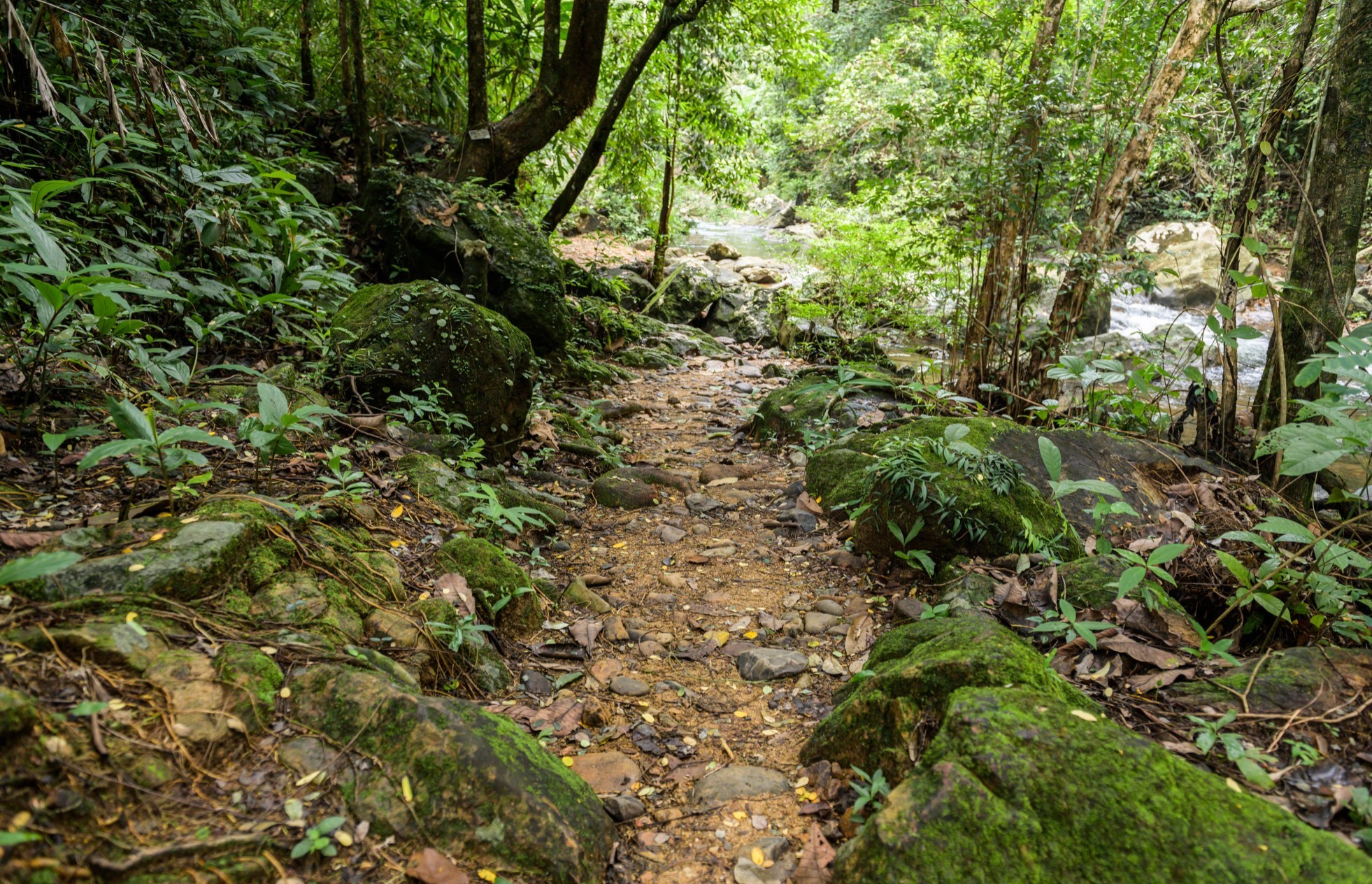
Wildlife Corridors: A Solution to Habitat Fragmentation
Most people think of deforestation, poaching, or pollution when they hear about threats to wildlife. But one of the most devastating — and least understood — is habitat fragmentation.
It doesn’t take bulldozers to break an ecosystem. A single highway can split a forest. A row of suburban homes can isolate a meadow. Over time, these disruptions carve once-continuous habitats into disconnected patches. For animals that rely on large ranges to feed, breed, or migrate, that isolation can be deadly.
Here’s what happens in fragmented environments:
- Animals struggle to find food — especially predators and large herbivores that need space to roam.
- Genetic diversity plummets — isolated populations breed within a limited gene pool, increasing vulnerability to disease and reducing long-term survival.
- Roads become death traps — collisions with vehicles are now a leading cause of death for many species, including foxes, deer, and even endangered cats.
- Plants suffer too — because their pollinators can’t reach them or seed dispersal is interrupted.
Unlike outright habitat loss, which removes nature entirely, fragmentation creates the illusion of wild space — but it’s space that doesn’t work. It’s like trying to live in a city made of sealed buildings with no doors between them.
This is where the idea of wildlife corridors comes in. They’re not just a fix. They’re a reimagining of how we build alongside nature, not against it.
What Wildlife Corridors Actually Are
At its simplest, a wildlife corridor is a passage that connects two or more isolated habitats. But that simplicity hides complexity — ecological, logistical, and often political.
Corridors can take many shapes:
- Overpasses and underpasses that allow animals to cross highways safely. These are often landscaped to mimic the surrounding environment, making animals more likely to use them.
- Riverside strips and forest edges that serve as movement routes for birds, reptiles, or amphibians.
- Green bridges designed for everything from elk to insects, complete with vegetation, sound barriers, and fencing to guide animals toward them.
- Flyways for birds and bats — not manmade paths, but legally protected aerial migration routes.
- Marine corridors, which link critical habitats for whales, turtles, or fish across vast ocean zones.
What matters isn’t just the path itself, but what surrounds it. A corridor through a hostile environment — one with noise, light, fences, or pollution — may be worse than none at all. For a corridor to succeed, it must offer more than direction; it must offer safety, food, cover, and continuity.
Think of them as lifelines. Not just for individual animals, but for entire species. In fragmented landscapes, these connectors are the only way to keep isolated populations from slowly fading out.
In the coming decades, wildlife corridors may not just be a helpful tool — they could be the only thing standing between vulnerable species and extinction.
Real-World Success Stories
The concept of wildlife corridors has gone from theory to proven practice in many parts of the world. When designed and maintained correctly, these ecological connectors have shown measurable, sometimes astonishing results — not only saving individual animals but helping entire populations rebound.
One of the most famous examples comes from Banff National Park in Canada, where a network of overpasses and underpasses spans the Trans-Canada Highway. Covered with native vegetation and buffered from human disturbance, these structures have recorded over 200,000 safe animal crossings. Species like grizzly bears, elk, cougars, and moose now use them regularly, reducing vehicle collisions by more than 80%.
In the Netherlands, a country densely packed with infrastructure, planners have built hundreds of “ecoducts” — specially constructed bridges that let deer, wild boar, and even reptiles move between green zones. These efforts are not symbolic. They form a national strategy to reconnect fragmented landscapes across roads, canals, and rail lines.
Meanwhile, India’s forest corridors have helped endangered species like the Bengal tiger and Asian elephant access breeding grounds and seasonal food sources. In some regions, smart use of community forests and protected corridors has reduced human-wildlife conflict — a major concern where people and predators often share space.
In Costa Rica, farmers are replanting native trees between patches of forest, creating organic movement corridors for birds, sloths, and pollinators. These living connections not only assist animal migration, but also boost eco-tourism and sustainable coffee production.
And in the United States, the proposed California Wildlife Crossing — a massive overpass planned near Los Angeles — aims to reconnect mountain lion habitats split by a busy freeway. Scientists estimate the project could prevent local extinction of the species in the region.
These aren’t just engineering projects. They are restoration at scale, turning fragmented land back into functional ecosystems. They show that when we invest in reconnection, nature responds.
How Wildlife Corridors Support Biodiversity Protection
Biodiversity isn’t just about the number of species — it’s about relationships: who eats whom, who pollinates what, who spreads which seeds. Fragmented habitats cut these threads. Wildlife corridors help stitch them back together.
For many species, movement isn’t optional. It’s how they survive. Animals migrate to find food, escape drought, avoid inbreeding, or adjust to seasonal changes. When their paths are blocked, they’re trapped — and ecosystems start to weaken.
Here’s how corridors actively contribute to biodiversity protection:
- Gene Flow and Genetic Diversity. Corridors allow individuals from different populations to interbreed. This strengthens resistance to disease, reduces the risks of inbreeding, and improves species resilience to environmental change.
- Range Expansion for Vulnerable Species. As climates shift, species need to move. Corridors let them expand into new, suitable habitats instead of perishing in unsuitable ones.
- Ecosystem Services Continuity. Pollination, seed dispersal, pest control — many of these services depend on mobile species. Corridors allow these processes to continue across landscapes, even in human-dominated areas.
- Support for Keystone and Umbrella Species. Some animals — like wolves or elephants — shape their environments. Protecting their movement indirectly protects a wide range of other species sharing that space.
Biodiversity thrives on connection. Isolated patches of protected land, no matter how pristine, can’t survive in the long term if they’re cut off. Corridors offer a way to link conservation zones, turning isolated reserves into living networks.
Not all corridors are large or dramatic. Even narrow strips of vegetation, hedgerows, or restored riverbanks can create vital links between habitats. The key is continuity. A broken line offers little help — but a living thread of habitat can change everything.
The Role of Corridors in Animal Migration and Climate Adaptation
Migration is not just a spectacle of nature — it’s a survival strategy. Animals move to find food, escape predators, breed, or adjust to seasonal changes. But increasingly, those routes are blocked by roads, fences, farms, and urban sprawl.
Without pathways, even species adapted to travel become prisoners in shrinking, fragmented habitats. The result? Starvation, genetic collapse, and population decline.
That’s where wildlife corridors come in — especially in the face of climate change. As temperatures shift, many species are forced to move northward, upward, or into cooler zones. But their success depends on the ability to access those new areas. Corridors act as lifelines in this transition.
Consider the American pika, a small alpine mammal highly sensitive to heat. Without linked mountain habitats, it has nowhere to go. Or the jaguar, whose historic range once stretched from Argentina to the U.S. Southwest. Today, fragmented forests and human development block its recovery — unless dedicated corridors reopen those pathways.
These movement routes do more than save individuals. They help ecosystems adapt dynamically. When plants, pollinators, predators, and prey all shift together, the balance can continue — even in new locations.
In a changing world, conservation can’t just protect what exists. It has to anticipate what’s coming. And that means building connected landscapes that are flexible, not fixed.
Challenges and Criticism: When Corridors Don’t Work
Despite the hope they offer, wildlife corridors aren’t a magic bullet. Some projects fail — and not always because of poor intentions.
Here’s where problems arise:
- Poor Placement or Design. A corridor too close to human activity may go unused. If it doesn’t connect the right habitats, or if it lacks food and cover, animals avoid it — or die trying to use it.
- “Edge Effects”. Narrow corridors bordered by farmland or roads may become ecological traps — drawing animals into dangerous or degraded zones.
- Increased Predation. Some corridors unintentionally concentrate prey, making them easy targets for predators. Others allow predators to access areas they previously couldn’t reach.
- Genetic Risks. While corridors can help restore gene flow, in some cases they may allow hybridization between distinct subspecies, diluting unique traits critical for adaptation.
- Social Conflict. Land for corridors often passes through privately owned areas. Without community support, even well-planned corridors can stall due to lawsuits, vandalism, or political backlash.
That said, most of these challenges stem not from the idea of corridors — but from lack of research, funding, or long-term planning. As with any conservation strategy, success depends on context, monitoring, and local collaboration.
Designing for the Future: What We Can Do
So, how do we get it right? The future of conservation depends on integrating connectivity into how we think about land, cities, and ecosystems. Corridors aren’t side projects — they must become part of national planning, urban development, and farming strategies.
Here’s what matters most:
- Science-Based Design. Use GPS tracking, camera traps, and ecological modeling to understand how animals move — and build around real data, not assumptions.
- Community Participation. Farmers, landowners, and Indigenous groups must be part of the conversation. When people feel ownership, they become stewards of the land, not opponents.
- Multiscale Thinking. Corridors should function at every level — from backyard pollinator strips to continental-scale migration routes. No link is too small if it connects.
- Policy and Protection. Legal recognition of corridors can prevent development and ensure maintenance. It also signals long-term commitment beyond election cycles or NGO grants.
- Education and Outreach. People protect what they understand. Showcasing the success of animal migration through corridors can build public support and inspire future projects.
Nature knows how to adapt — but only if we give it the space and freedom to move. Corridors are more than connections. They’re a promise: that we will not isolate life into corners and expect it to thrive.
Protecting biodiversity means protecting movement. And the path forward, quite literally, depends on keeping that movement possible.