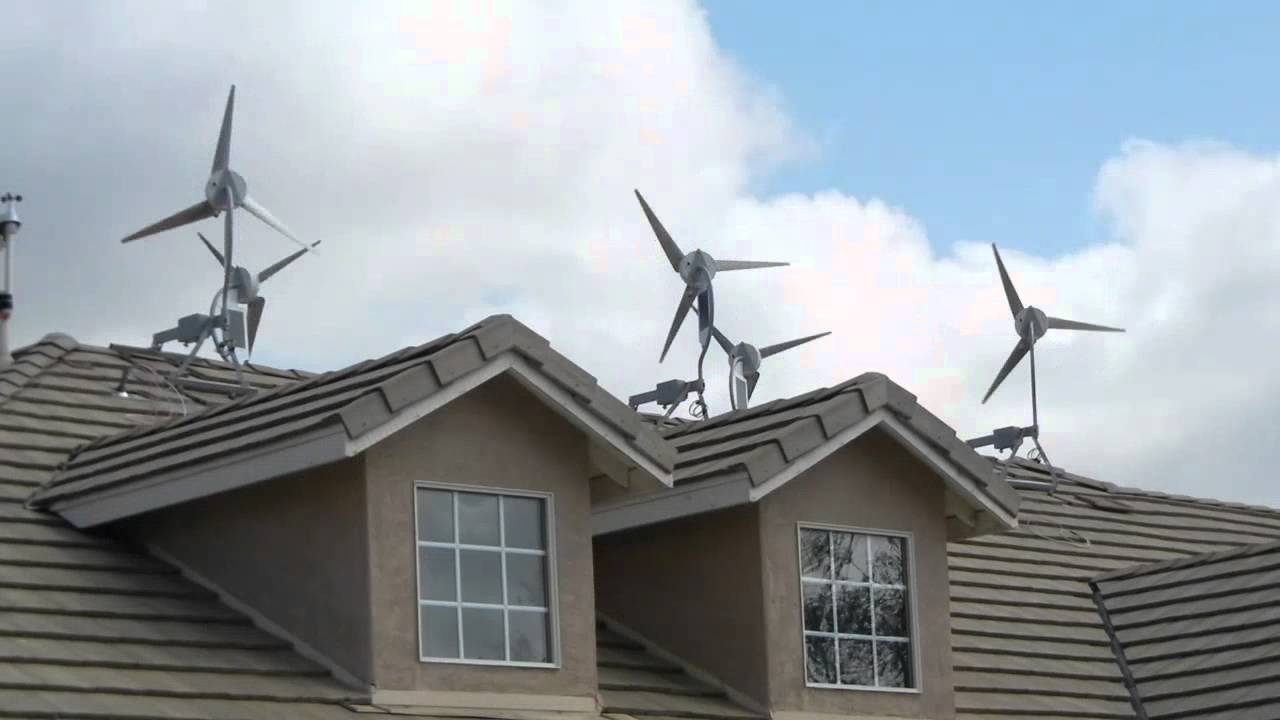
A vertical axis wind turbine can look like a neat answer for a roof or compact property. The rotor may accept wind from changing directions, yet the site still decides how much usable energy reaches the machine. Before treating a small turbine as a household power source, check the wind where it will operate, the structure under it, and the expected yearly output.
What the Vertical-Axis Design Changes
Vertical-axis turbines rotate around an upright axis, so they do not need the same yaw mechanism that a typical horizontal-axis machine uses to face the wind. That can simplify orientation in shifting wind directions. It does not remove the need for adequate wind speed, clear airflow, suitable mounting, or realistic energy estimates.
For a homeowner, the useful question is not whether the design can spin in urban wind. Ask how the exact model performs at the measured wind conditions and height available on the property. Avoid assuming that a city roof automatically creates a good resource.
Measure the Wind at the Real Operating Height
Broad wind maps can help with an early screen, but buildings, trees, terrain, and roof geometry change local flow. Wind speed can vary sharply across short distances. The U.S. Department of Energy Small Wind Guidebook says on-site measured wind data is generally preferred when assessing a specific location.
Measure or professionally assess the wind where the rotor will actually sit. Note nearby obstacles and their height. Check whether the proposed mounting point sits in a wake or turbulent zone. The same roof can have very different conditions near a parapet, behind a taller building, or above the roofline.
Rooftops Bring Turbulence and Vibration
A rooftop turbine transfers vibration into the structure that supports it. DOE also warns that rooftop airflow often has increased turbulence, which can shorten turbine life and reduce energy production. Its guide says rooftop-mounted systems can produce less power and cost more relative to tower-mounted small wind systems because of these conditions.
That changes the feasibility check. A structural professional may need to review loads and vibration. Noise should be evaluated using model-specific data and the planned mounting arrangement. A turbine that fits physically can still perform poorly if the roof sits inside disturbed airflow.
Compare Annual Energy, Not the Rated Kilowatts
Rated power tells you what a turbine can produce under specified test conditions. It does not tell you how many kilowatt-hours your site will get in a year. DOE describes annual energy output as the better measure for judging whether a turbine and tower can meet a user’s needs.
Ask the installer or supplier for an annual energy estimate based on the model’s power curve, local wind data, hub height, elevation, and micro-siting conditions. Request the assumptions in writing. Then compare that estimate with your actual annual electricity use.
Certification gives another reality check. DOE wind testing and certification guidance explains why third-party testing matters for small-wind claims about performance, reliability, noise, safety, and durability.
Check the Paperwork Before Checkout
Local zoning may limit turbine height or placement. Grid connection can require utility approval, and the building itself must support the installation. Those questions belong in the feasibility stage, alongside certified performance information.
Small wind remains one of several renewable energy innovations worth following. A rooftop vertical axis wind turbine deserves the same test we would apply to any energy system: measure the resource, verify the equipment, and estimate annual production from site conditions. A compact rotor cannot compensate for weak or highly turbulent wind.