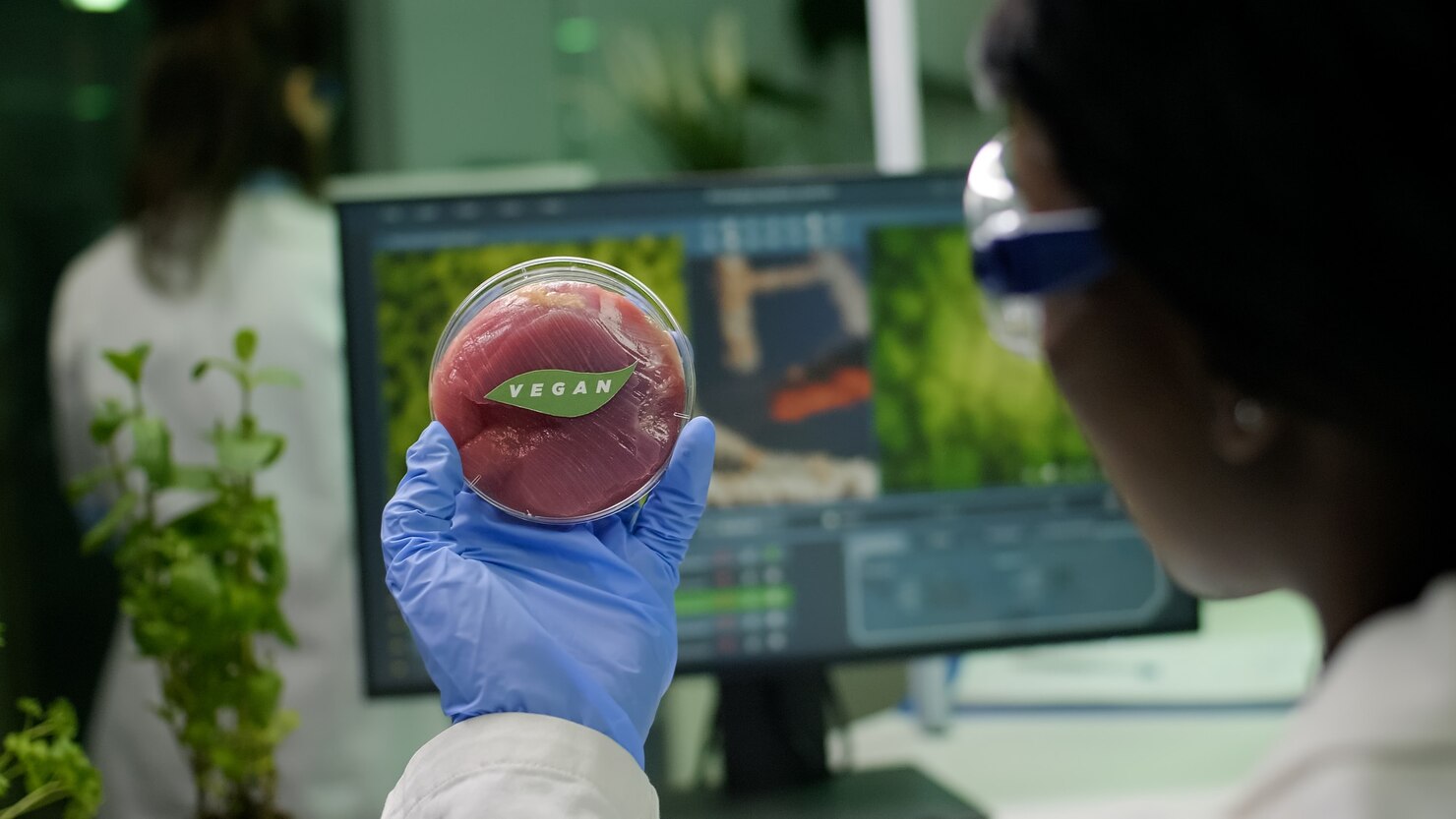
The Future of Meat: Lab-Grown vs Plant-Based
A sizzling steak or a juicy burger might still dominate dinner plates, but behind every bite lies a complex system of industrial livestock farming — and that system is cracking under its own weight. Over the past decade, concerns about the environmental, ethical, and health implications of meat consumption have moved from fringe documentaries to center stage in global policy discussions.
The numbers tell their own story. Livestock is responsible for nearly 15% of global greenhouse gas emissions, with cattle leading the charge due to methane-heavy digestion. Producing a single kilogram of beef can require up to 15,000 liters of water, much of it for growing animal feed. Vast tracts of rainforest are cleared each year to make room for grazing or monocultures like soy, destined for export as animal feed.
Environmental damage is only part of the problem. Factory farms confine animals in cramped, stressful conditions, raising ethical questions about the cost of affordable meat. Meanwhile, the widespread use of antibiotics in animal agriculture contributes to growing antibiotic resistance — a slow-brewing crisis that extends far beyond the farm.
With climate goals looming, water scarcity rising, and younger generations demanding transparency in food systems, traditional meat faces pressure from all directions. That pressure has sparked a global push for alternatives — ones that can satisfy the palate without compromising the planet.
And the market is listening.
From grocery chains to fast food giants, plant-based options are becoming staples. Menus now include meatless sausages, imitation chicken nuggets, and ground “beef” made from peas, soy, or even mung beans. Investors are pouring money into food tech startups, while governments begin weighing the environmental benefits of reducing meat-heavy diets.
The shift isn’t just happening in high-income, vegan-curious circles. In regions hit hardest by climate instability and resource scarcity, the idea of protein decoupled from animals is gaining traction — not just for the planet, but for food security.
This momentum has set the stage for two main contenders in the race to reinvent meat: plant-based substitutes and cell-cultured protein. Though both aim to reduce dependence on livestock, they come from entirely different places — one from the farm, the other from the lab.
Plant-Based Meat: From Niche to Mainstream
It wasn’t that long ago that plant-based burgers were synonymous with bland veggie patties held together by black beans and good intentions. Today, they sizzle, bleed, and mimic the texture of real meat — with enough accuracy to fool more than a few unsuspecting carnivores.
The technology behind modern plant-based meat is the result of years of innovation in food science. Instead of relying on whole vegetables or grains, companies now isolate plant proteins — typically from soy, peas, or wheat — and restructure them into fibrous textures using high-moisture extrusion. Add heme molecules (like those found in Impossible Foods’ burgers), natural flavor compounds, and fat analogs made from coconut or sunflower oil, and the result is a product that doesn’t just resemble meat — it behaves like it on the grill.
The advantages of this approach are clear:
- Accessibility: Most ingredients are widely available and relatively affordable.
- Scalability: Factories can be scaled up quickly, using existing infrastructure.
- Familiarity: Consumers still get a burger or sausage in a form they recognize.
Moreover, plant-based products avoid the pitfalls of animal farming — no antibiotics, no risk of zoonotic disease, and a dramatically smaller carbon footprint.
But they’re not without criticism. Some worry about the level of processing involved and the long ingredient lists. Nutritional profiles vary, and not all plant-based products are created equal. While some are fortified and balanced, others may contain high sodium or saturated fat levels.
Taste remains a hurdle, too. While first bites often impress, follow-up experiences can reveal subtle differences in mouthfeel, aftertaste, or cooking behavior. And not all plant proteins are free from allergens — soy and wheat are common triggers.
Still, the plant-based sector is evolving fast. As competition grows, so does quality. Products now cater to everything from fast food to fine dining, proving that green doesn’t have to mean boring — and meatless doesn’t have to mean compromise.
Lab-Grown Meat: Science on a Plate
Imagine biting into a burger that’s never seen a farm, never grazed a field, and never been part of a slaughterhouse. Yet it’s still meat — not an imitation or a plant-based replica, but real animal flesh. That’s the promise of lab-grown meat, also known as cultivated or cell-based meat, and it’s rapidly transforming from an experimental novelty into a commercial reality.
At its core, the process is biological, not artificial. Scientists extract a small sample of muscle cells from a living animal — often via harmless biopsy — and place them in a nutrient-rich solution. These cells are then encouraged to multiply in bioreactors, where conditions mimic the environment inside an animal’s body. Over time, the cells differentiate, forming muscle fibers, fat, and connective tissue. The end result? Meat — cellularly and nutritionally identical to what you’d find in a conventional cut.
What sets lab-grown apart isn’t just the absence of slaughter. It’s a complete reimagining of how meat can be produced:
- No antibiotics: Without animals in crowded conditions, there’s no need to preemptively medicate.
- Less land and water: No pastures, no feedlots, no grain crops.
- Fewer emissions: Cultivation emits far less greenhouse gas than traditional livestock, especially methane from cattle.
Supporters argue this approach addresses multiple problems at once: climate change, animal welfare, and global food insecurity. For densely populated countries with limited farmland, the appeal is obvious. Lab-grown meat offers the promise of local, high-protein food that bypasses the heavy environmental toll of animal agriculture.
But the road from petri dish to dinner plate isn’t frictionless.
Barriers to the Table: Why It’s Not Everywhere Yet
As of now, lab-grown meat is still a premium product, and access is limited. Singapore became the first country to approve commercial sale of cultivated chicken in 2020. In the U.S., regulatory approval began moving forward in 2023, with a few upscale restaurants offering tasting experiences.
One of the biggest hurdles is cost. While the first lab-grown burger made in 2013 cost over $300,000, prices have dropped dramatically — but scaling production to compete with ground beef at supermarket prices remains difficult. Bioreactors, sterile conditions, and specialized nutrients all add up.
Another challenge is consumer perception. For many people, meat from a lab triggers discomfort. Some associate it with “Frankenfood” or worry it’s unnatural — even if, biologically, it’s identical to conventional meat. Overcoming this mental barrier may take time, education, and clever marketing.
There’s also the issue of transparency. What’s in the nutrient media? Are animal-derived components still used? Are there hidden inputs that compromise the ethical or environmental claims? For a product marketed on trust and innovation, clear answers matter.
Finally, there’s the matter of regulation. Cultivated meat straddles the line between food, biotech, and agriculture — and not every country has the frameworks in place to evaluate or approve it. Delays, confusion, and lobbying from conventional meat industries can stall progress.
Lab-Grown vs Plant-Based: Complement or Competition?
Both plant-based and cultivated meats are responses to the same global question: how do we feed a growing population without destroying the planet? But their approaches — and public images — are strikingly different.
- Plant-based meat has the advantage of being here, now, and widely accessible. It leans on familiar ingredients and existing supply chains. For budget-conscious or risk-averse consumers, it’s the obvious first step away from animal protein.
- Lab-grown meat, on the other hand, speaks to those unwilling to give up traditional meat — its taste, texture, and cultural significance. It doesn’t ask consumers to compromise, only to choose a more ethical source.
In reality, these two aren’t rivals — they’re allies. Together, they form the backbone of a transition away from conventional meat. One fills shelves today, the other builds for tomorrow. One reshapes what we eat, the other redefines how we produce it.
The real test isn’t which will “win,” but whether both can scale fast enough to matter. And whether consumers — and governments — are ready to make room for them at the center of the plate.
Taste, Price, and Trust: What Consumers Really Care About
For all the innovation packed into alternative proteins, they still have to clear three very old-fashioned hurdles: flavor, affordability, and emotional appeal. Consumers aren’t choosing between lab and livestock in a vacuum — they’re comparing price tags, checking labels, and deciding what feels like “real” food.
Taste remains the battleground. Many first-time buyers of plant-based products are impressed — until they try to recreate the same experience at home. Subtle differences in browning, juiciness, or texture can create a sense of “almost, but not quite.” Lab-grown meat, once it scales, may close this sensory gap, offering the full-fat mouthfeel and flavor complexity of conventional cuts. But until it hits shelves in volume, it remains a distant promise.
Price is just as important. While early adopters might pay more for ethics or novelty, the average family budgets their protein. Plant-based options are still often more expensive than ground meat. And cultivated meat, despite its potential, has yet to reach a price point most households can afford. Without affordability, even the most sustainable solutions can’t reach the mainstream.
Trust is trickier. Shoppers want to know what’s in their food — and how it’s made. For many, the fewer steps between farm and fork, the better. That instinct favors traditional meat, but also gives plant-based producers a chance to win hearts through transparency, ingredient simplicity, and strong branding. Lab-grown producers will need to work harder to demystify their process — not just scientifically, but emotionally.
Scaling the Revolution: Can the System Keep Up?
It’s one thing to create a new food. It’s another to scale it into a global supply chain.
The plant-based meat industry has made enormous strides in production, thanks to relatively simple supply needs. Pea and soy protein are already farmed at scale, and manufacturing techniques — while advanced — use infrastructure that exists.
By contrast, lab-grown meat requires a different approach: bioreactors, sterile facilities, precision tools. This isn’t farming or food processing — it’s cellular agriculture. The capital costs are high, and global capacity is limited. But startups are pushing forward, and some governments are backing the effort with grants, tax incentives, and public-private partnerships.
Still, challenges remain:
- Scaling without compromising safety or quality.
- Reducing costs without cutting ethical or nutritional corners.
- Building trust at the speed of innovation.
The path ahead isn’t just about creating a viable product — it’s about reshaping everything that brings food from lab or field to plate.
This is where the discussion broadens into the larger sustainable food future. It’s not just about replacing meat. It’s about changing how we eat, how we grow, and how we think about nourishment in a world facing climate shocks, population growth, and resource constraints.
Who’s Betting Big: From Silicon Valley to the Supermarket
This future isn’t being shaped in isolation. Some of the most powerful forces in tech, agriculture, and policy are backing the shift.
- Investors: Billionaires like Bill Gates and Richard Branson have placed early bets on cultivated and plant-based startups.
- Governments: Singapore leads regulatory approval. The Netherlands, Israel, and the U.S. are funding research and innovation hubs.
- Food giants: Nestlé, Tyson Foods, and Cargill are launching their own lines or partnering with alt-protein companies.
Even traditional meat producers aren’t ignoring the trend. Instead of resisting, many are diversifying — seeing the writing on the wall and preparing for a world where animal protein is just one option among many.
What Will We Actually Be Eating in 20 Years?
Meat isn’t going away. But its monopoly is fading.
In two decades, it’s likely that menus will blend traditional meat with high-tech alternatives. Schools might serve plant-based chicken nuggets. Upscale restaurants could feature cultivated steaks from rare cattle breeds — no animals harmed. And grocery stores may offer hybrid options: real meat enhanced with plant proteins or grown from starter cells in nearby facilities.
The shift won’t be uniform. Culture, price, and policy will shape how different regions adopt new proteins. In some places, meat might become a luxury; in others, it could become obsolete. What’s certain is that the status quo — cheap meat at any cost — is being rewritten.
Consumers won’t be forced to choose between taste and ethics. The most successful future is one where those two align — where environmental responsibility doesn’t feel like sacrifice, and innovation doesn’t feel alien.