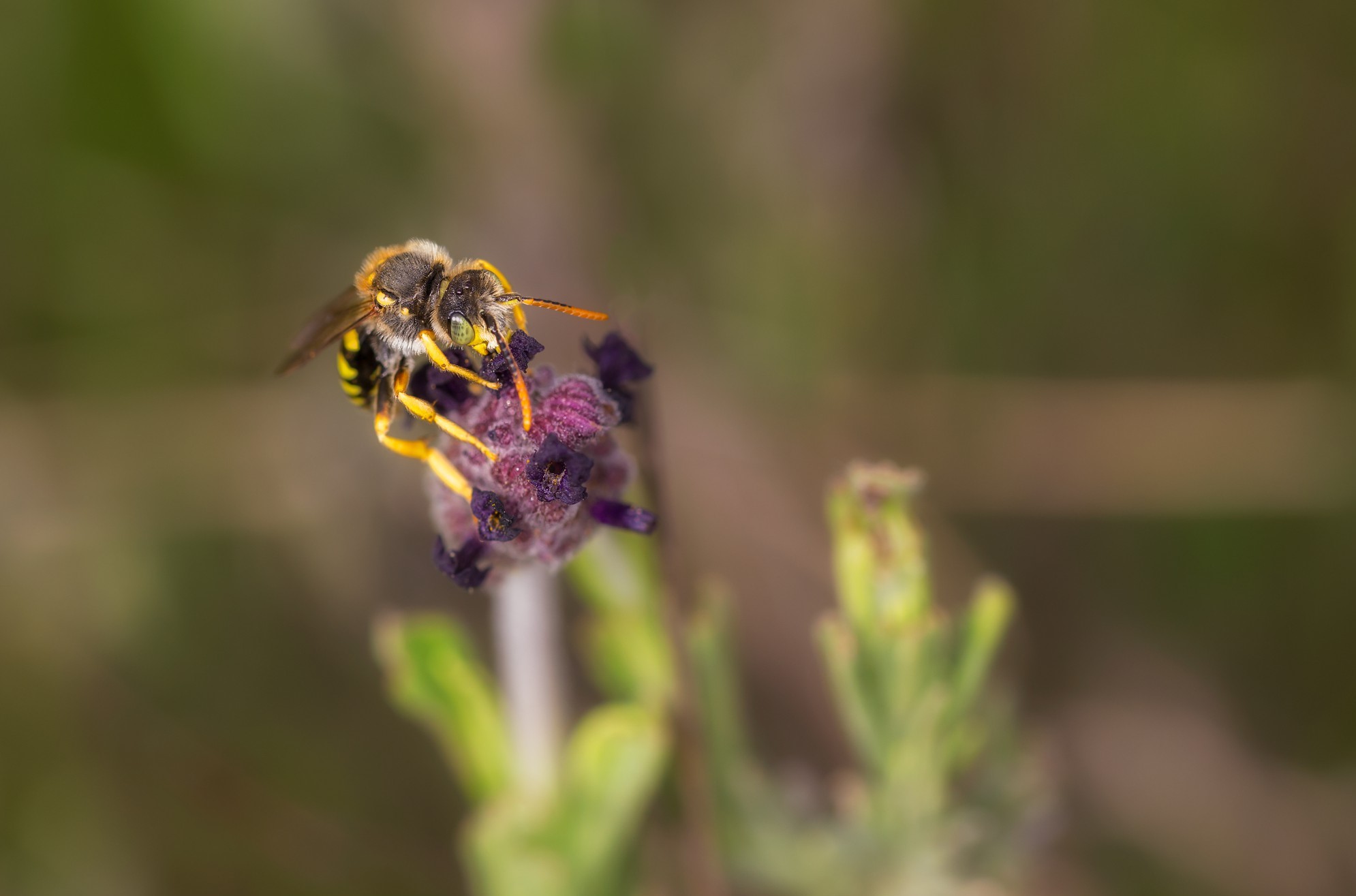
Pollinator Crisis: Why Bees and Butterflies Matter
Most of what we eat, wear, and even breathe is connected — directly or indirectly — to pollinators. Bees, butterflies, moths, hoverflies, beetles, and even birds and bats play a quiet but irreplaceable role in the global ecosystem. Without them, nearly 75% of the world’s food crops could suffer reduced yields or fail entirely.
It’s not just about fruit trees or honey jars. Coffee, almonds, chocolate, cotton, canola — all depend on animal pollination. So do countless wild plants that stabilize soils, provide oxygen, and serve as habitats for other animals.
Pollinators act as bridges between the plant and animal kingdoms. They transport life from one bloom to another, ensuring genetic diversity and reproduction across species. This process supports biodiversity pollinators themselves help sustain — forming a web of life where each strand strengthens the others.
Yet we often forget just how fragile that balance is.
When bees vanish, ecosystems falter. When butterflies disappear, meadows fade into silence. And when the hum of wings is replaced by stillness, it’s not only nature that suffers — our dinner plates, clothing shelves, and supply chains feel the shock too.
Pollinators don’t just make life colorful. They make it possible.
The Scale and Causes of Pollinator Decline
In the past few decades, scientists have tracked a steep and steady pollinator decline across the globe. Populations of wild bees are down by more than 40% in some regions. Monarch butterflies, once abundant across North America, have lost over 90% of their numbers since the 1990s.
This isn’t a seasonal dip. It’s a collapse.
So what’s driving it?
- Habitat Loss. As cities expand and agriculture becomes more intensive, wildflowers, hedgerows, and nesting sites vanish. Monoculture fields stretch for miles without offering food or shelter for pollinators. Urban sprawl paves over the very places insects depend on to survive.
- Pesticides and Herbicides. Chemicals like neonicotinoids, used widely in industrial farming, have been linked to disoriented behavior, paralysis, and death in bees. Even sublethal exposure weakens their immune systems and impairs their ability to forage or return to hives.
- Climate Change. Warming temperatures alter blooming cycles. Flowers open too early or too late for pollinators to reach them. In some cases, extreme heat directly affects insect development or migration. Frosts, droughts, and floods damage both nesting sites and food sources.
- Diseases and Parasites. Commercial hives, while helpful in some contexts, can spread viruses and mites to wild bee populations. The infamous varroa mite continues to devastate colonies in many regions.
- Light Pollution and Urban Noise. For nocturnal pollinators like moths or certain bats, artificial light disrupts behavior and breeding cycles. Constant noise also interferes with navigation and communication in some species.
What’s most alarming isn’t just the decline itself, but the pace. Once common pollinators are becoming rare within a single human generation. And since many of these creatures are poorly studied, we’re likely underestimating the full extent of the damage.
This is not a niche environmental issue. It’s a global warning light. Fewer pollinators mean less food, less resilience, less color in our world. Ignoring the signs could lead to silent springs and empty harvests — a price no society can afford to pay.
How ‘Save the Bees’ Became a Global Movement
It started with a slogan. Save the bees appeared on protest signs, reusable tote bags, and eventually hashtags. What looked like a trendy catchphrase quickly evolved into one of the most recognizable environmental messages of the decade.
Behind the buzz was real fear. Beekeepers began reporting mass hive losses. Researchers confirmed collapsing populations. Ordinary people noticed quieter gardens, fewer butterflies, and flowers that bloomed untouched. The crisis was no longer hidden in data — it was happening in plain sight.
Grassroots action came first. Individuals stopped mowing lawns in May to let dandelions feed hungry pollinators. Urban gardeners planted lavender, echinacea, and milkweed. Schools set up bee hotels. Local markets began labeling “pollinator-friendly” products. This wasn’t niche environmentalism — it was personal, visible, and contagious.
Governments followed — slowly. The European Union banned certain pesticides known to harm bees. Some U.S. cities passed pollinator protection ordinances. But progress has been uneven. Agricultural lobbies resist regulation. In many countries, policies favor industrial efficiency over ecological balance.
Still, the save the bees movement sparked a shift. For the first time in years, an environmental cause made it into mainstream conversation without relying on fear or guilt. Instead, it framed pollinators as neighbors, not statistics — beings that visit your balcony, not just research plots.
Scientific communities leaned in. Citizen science apps now let people track sightings of butterflies and bumblebees. Data gathered by amateurs feeds into national biodiversity records. Conservation groups launched projects to protect not just honeybees, but solitary bees, beetles, and other overlooked species.
The movement also reframed the problem. It’s not just about saving one species. It’s about protecting entire networks — flower by flower, street by street.
Biodiversity Pollinators Bring to Ecosystems
Pollinators are more than workers in a garden — they are architects of ecosystems. A single bee doesn’t just feed on nectar. It connects species. Its movements spark cycles that ripple across habitats.
When people hear about biodiversity pollinators support, they often picture forests full of wildflowers and colorful insects. But the real power lies in what that diversity does — not just what it looks like.
Different pollinators serve different plants. Bumblebees can access deep flowers that honeybees can’t. Small beetles pollinate tropical trees. Moths work at night. Hummingbirds cover long distances. When one group declines, the plants that depend on them falter — and so do the animals that rely on those plants for food or shelter.
An ecosystem supported by a variety of pollinators is more stable and adaptable. If climate shifts wipe out one species, others can step in. If disease affects honeybees, native bees might take over their role — but only if they’re already present and thriving.
And here’s the crucial point: no single pollinator can replace the rest. Managed honeybee hives can help in some crops, but they aren’t a universal solution. In fact, imported hives can sometimes outcompete native pollinators for resources, doing more harm than good in fragile environments.
Healthy biodiversity among pollinators also affects other ecological players. Fruit-bearing plants support birds. Seed dispersal boosts forest regeneration. Soil quality improves when plant cycles stabilize. Even carbon sequestration is enhanced when forests grow more robustly — thanks to strong pollination.
In short, pollinator diversity doesn’t just enrich nature — it secures it.
We often focus on saving iconic species, but if we truly care about ecological survival, we must protect the unsung heroes: the leafcutter bee, the metallic green sweat bee, the hoverfly. Each one holds a thread in the web. Lose too many, and the whole structure starts to sag.
Urban Solutions: Rewilding Cities for Pollinators
Concrete isn’t the enemy of nature — but indifference is. Cities, once seen as ecological dead zones, are becoming unlikely allies in the fight to protect pollinators. When thoughtfully designed, even dense urban environments can support thriving insect populations.
This shift starts with a simple idea: stop fighting nature in public spaces.
Mowing parks to carpet-flat perfection? Replace with wildflower meadows. Over-planted ornamentals that don’t feed a single insect? Swap for native flowering plants. Dead corners between sidewalks and fences? Perfect for pollinator-friendly patches.
Around the world, urban planners and residents are experimenting with small changes that lead to big impact:
- “No Mow May” Campaigns have taken root in cities like Oxford, Madison, and Ghent. By delaying lawn mowing for just a few weeks, entire neighborhoods create emergency nectar corridors for early-season bees and butterflies.
- Green Roofs and Living Walls are no longer just about insulation or style. Properly planted, they offer nesting spots and year-round food for pollinators — especially when designed with native species in mind.
- Bee Hotels, small wooden shelters filled with bamboo tubes or drilled holes, are appearing on balconies and schoolyards. They provide refuge for solitary bees, many of which do not live in hives but still play vital pollination roles.
- Rewilded Roundabouts and Road Verges are turning transportation infrastructure into linear habitats. In some regions, roadside rewilding is now considered a national biodiversity strategy.
What makes urban rewilding so powerful is its visibility. People walk past it daily. Kids notice the bees. Elderly residents smell the wild thyme. Reconnection happens — not in the abstract, but in real time.
Cities don’t need to become forests. But they can become pollinator corridors, linking fragmented landscapes and inviting life back into the spaces we forgot it could live.
What You Can Do Today
No matter where you live — a city flat, a suburban street, or a farmhouse — helping pollinators is within reach. And no, you don’t need a hive or a botany degree to start.
Here’s what actually makes a difference:
- Plant for the Full Season. Choose flowers that bloom at different times — from early spring crocus to late-autumn aster. The longer you provide food, the more species you’ll support.
- Go Native. Native plants evolved with local pollinators. They’re better adapted, more nutritious, and often lower maintenance. Even a few pots on a balcony can attract butterflies.
- Avoid Chemicals. Skip pesticides and herbicides, especially systemic ones. Even “pollinator-safe” labels can be misleading. Natural pest control — like companion planting — is a safer bet.
- Let Things Be a Bit Messy. Hollow stems, leaf litter, and logs offer nesting spaces. Resist the urge to over-tidy your garden — some wildness is exactly what pollinators need.
- Support Farmers Who Care. Look for produce labeled organic or “pollinator-friendly.” It’s not just about the bees — it’s about how we grow food in a way that feeds all life.
- Teach Others. Pollinator awareness spreads quickly once people know what to look for. Talk to neighbors. Share seeds. Organize a planting day at a local school or park.
Helping pollinators doesn’t mean overhauling your life. It means choosing, again and again, to make space for life alongside your own.
A Crisis That Still Has Time
The decline is real. The stakes are high. But unlike many environmental problems, the pollinator crisis is still within our power to reverse — if we act with purpose, not panic.
Bees, butterflies, and their winged kin don’t ask much. A few square feet of wildflower. A safe place to rest. A break from poison. In return, they give us abundance — not just food, but resilience, beauty, and continuity.
Nature is louder than we think. When you plant even one flower, life responds. A hum in the air. A flicker of color. Proof that recovery is not just possible — it’s waiting.
We can’t outsource this solution. It belongs to gardens and fields, to policies and playgrounds. It starts with awareness, grows through action, and succeeds through collective care.