How to Travel Plastic-Free in 2025
Look around any beach, park, or mountain trail in peak tourist season, and you’ll probably spot the same thing: single-use plastics tucked into the landscape. Empty bottles, snack wrappers, travel-size toiletries—left behind by people who meant no harm, but didn’t come prepared.
That’s why plastic free travel isn’t a trend. It’s a necessary shift in how we move through the world.
Tourism has bounced back fast in 2025, but so has the waste. Air travel, all-inclusive hotels, and food delivery apps now operate at record speed. But with convenience comes excess—and a large chunk of that excess is made of plastic that doesn’t go away when you do. It lingers in the places you visit, clogs local infrastructure, and often ends up in landfills or oceans.
Choosing plastic-free travel isn’t about guilt. It’s about awareness. The truth is, most of what you need to reduce plastic use while traveling already exists: reusable bottles, collapsible containers, solid shampoo bars, and good habits. The real challenge isn’t access—it’s remembering to care before you’re thirty thousand feet in the air or halfway through a takeout lunch in a foreign city.
Traveling plastic-free isn’t about being perfect. It’s about being intentional. One bottle, one straw, one travel-sized soap at a time—it adds up. And in a world where over 8 million tons of plastic enter the oceans each year, small shifts made by many are more powerful than big changes made by a few.
Eco Travel Tips for Before You Even Leave the House
The most effective way to avoid plastic on the road? Don’t pack it in the first place.
So many of the wasteful items tourists use aren’t necessary—they’re just convenient when nothing better is available. If you’ve ever bought a water bottle at the airport, grabbed plastic-wrapped cutlery on the train, or bought a mini bottle of shampoo because you forgot your regular one, you’re not alone. But all of that can be prevented with a little planning.
Here are some practical eco travel tips for prepping your bag before the trip even starts:
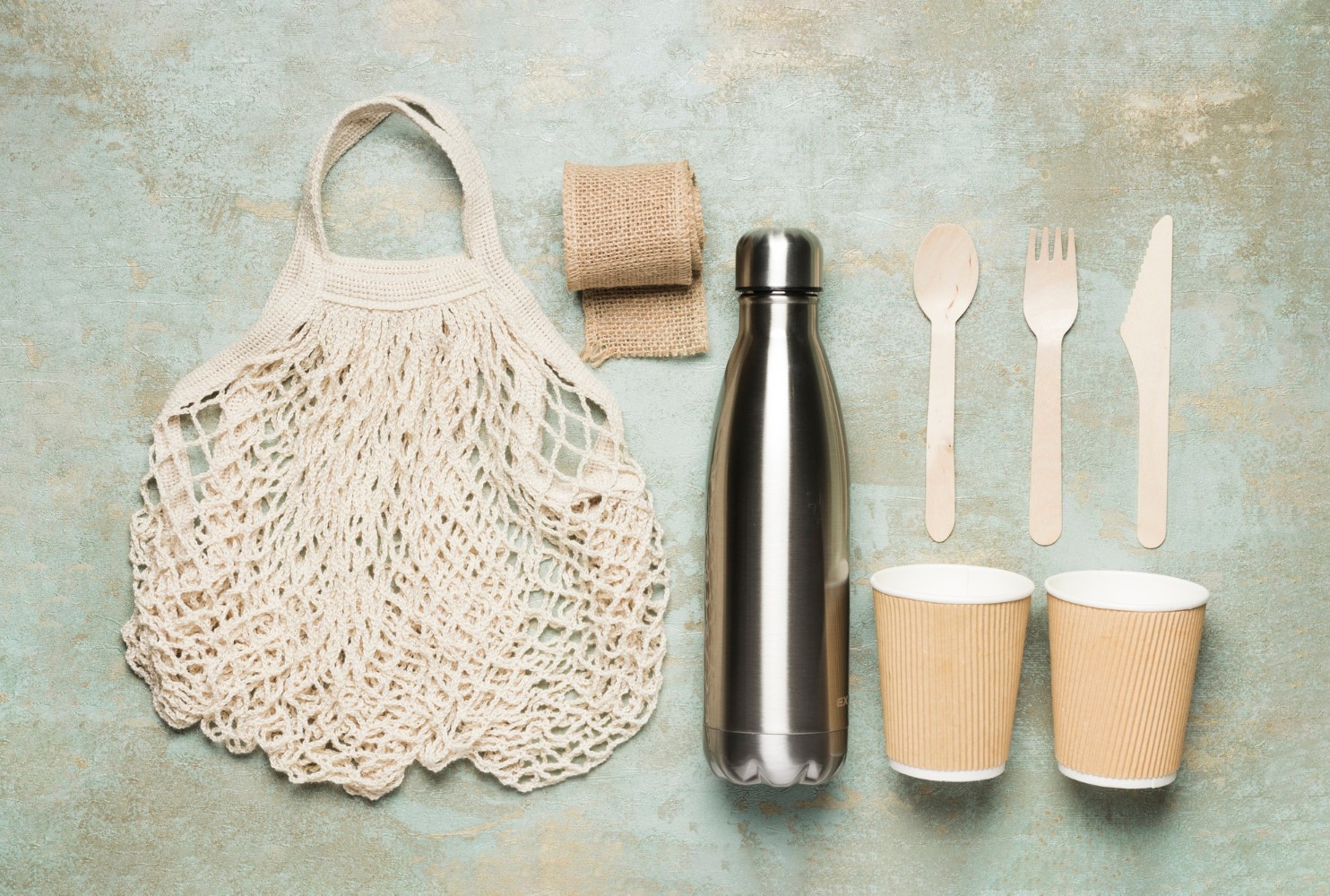
- Refillable water bottle. Pick one that suits your travel style—insulated for hot places, collapsible for packing light. Refill wherever safe water is available.
- Reusable tote or shopping bag. Folds small, weighs nothing, and saves you from taking plastic bags at markets or souvenir shops.
- Cutlery kit. A small roll-up set with fork, spoon, and metal straw means you’re never at the mercy of flimsy plastic utensils again.
- Solid toiletries. Swap liquid shampoos, conditioners, and soaps for solid bars. They last longer, don’t leak, and bypass the need for plastic travel bottles.
- Snack containers or wraps. Beeswax wraps, silicone pouches, or compact food containers let you carry local snacks without creating trash.
- Refillable toiletry containers. If you need liquids, buy travel-sized refillable bottles made of silicone or metal instead of buying new minis every time.
- Microfiber cloth or napkin. Handy for drying hands, wrapping food, or wiping down surfaces—without using single-use tissues or paper towels.
Packing this way doesn’t take more time—it just takes a different mindset. Instead of preparing for what you might forget, prepare to avoid what you’ll regret wasting.
These small tools become your safety net when nothing else is available. They keep you out of situations where plastic is the default. Most importantly, they shift your identity from “accidental polluter” to someone who travels light—in every sense of the word.
Sustainable Tourism Begins With Small, Local Choices
You don’t have to sleep in a treehouse or cycle across continents to practice sustainable tourism. It’s less about dramatic gestures and more about quiet decisions—taken early and often.
Sustainability in travel isn’t only about plastic. It’s about how you move, where you sleep, what you eat, and who you support with your money. And while many destinations now advertise their eco-credentials, you don’t need a fancy “green resort” label to travel responsibly.
What does sustainable tourism look like in practice?
- Choosing locally owned stays over big-name hotels. A guesthouse run by a local family usually uses fewer resources, supports the community directly, and produces less waste than large hotel chains.
- Eating local food in local places
Street stalls, farmers markets, or family-run cafés often use local produce with minimal packaging—and fewer imported, heavily packaged goods. - Walking or biking where possible. You see more, spend less, and burn fewer fossil fuels. If walking isn’t an option, consider shared transport like buses or ride-pooling.
- Respecting local recycling norms. Not all cities handle waste the same way. Before you toss anything, check signage or ask a host what goes where.
- Thinking twice before buying souvenirs. Trinkets wrapped in plastic, made overseas, and flown halfway across the world don’t exactly scream “sustainable.” Look for local artisans or experiences instead.
Sustainable tourism isn’t a product you can buy—it’s a mindset you carry. It’s the awareness that your presence, your money, and your choices shape the places you visit. And the good news? Most of these small shifts improve your experience. They bring you closer to real people, real food, and real stories—while quietly reducing your footprint.
On the Road: How to Avoid Plastic in Planes, Trains, and Taxis
You packed light, brought your reusable gear, and made smart booking choices—but now comes the real test: being out there, in motion, surrounded by convenience culture. Airports with shrink-wrapped everything. Train stations selling bottled drinks every ten feet. Gas station snacks with layers of plastic for freshness.
That’s where habit meets reality.
So how do you stay on track with minimal effort? Start with these travel-proof tips:
- Refill water whenever you can. Many airports now have fountains. Bring an empty bottle through security and refill it. On trains, ask staff if they can pour water into your own cup instead of handing you a new one.
- Skip in-flight plastic packs. Those sealed bundles of headphones, napkins, and cutlery often go straight to the trash after landing. Refuse them politely and use your own gear.
- Pack a snack pouch. Dried fruits, nuts, or sandwiches in a reusable bag save money and waste. No need to buy plastic-wrapped cookies every time you stop.
- Say no to straws and stirrers. On planes or in rest stops, drinks come with extras you don’t need. A gentle “no straw, please” goes a long way.
- Use your own napkin and sanitizer. Wipe down surfaces with a cloth you carry. Use your own small bottle of sanitizer to avoid individually wrapped wipes.
- Look for recycling bins, but don’t count on them. Many transit hubs don’t recycle properly. The best strategy? Don’t produce the waste in the first place.
Plastic-free travel isn’t about saying no to every convenience. It’s about knowing when the short-term ease isn’t worth the long-term damage—and choosing differently.
You won’t be perfect. Some places leave you no real options. But the more often you make these micro-decisions, the more natural they become. You’ll start seeing waste before it happens—and dodging it with quiet ease.
Eating and Drinking Without the Waste
Travel and food are inseparable. Whether it’s street tacos in Mexico or espresso in a Roman alley, you want to savor the experience—not the disposable cup it came in.
Avoiding plastic while eating on the go isn’t about denying yourself local treats. It’s about having a few reusable items on hand and knowing how to politely say, “I don’t need that straw.”
Here’s how to enjoy the local food scene without leaving a trail of trash behind:
- Bring your own cup. Many cafés now accept reusable coffee cups, especially in cities with strong eco-culture. Bonus: some offer discounts.
- Carry a compact food container. Perfect for leftovers at restaurants or grabbing takeaway at markets without needing foam boxes or plastic bags.
- Ask before you order. In some places, cold drinks come automatically with plastic straws or lids. A quick “no straw, please” makes a difference.
- Eat in, not out. Dining in means real plates, real cutlery, and less packaging. It often means better atmosphere, too.
- Support places that make sustainable choices. Some cafés use compostable packaging or give discounts for bringing your own container. Reward those efforts with your business.
Travel is a time to try new things—but it doesn’t mean giving up on the values you hold at home. A little prep goes a long way toward keeping your travel delicious and low-impact.
Hotels, Hosts, and Habits: Making Better Overnight Choices
The place you sleep each night has a big say in how much plastic you end up using. That complimentary toothbrush? Individually wrapped in plastic. The mini shampoo? One shower and it’s trash. Even room service often comes in packaging overload.
But the good news? You can influence this more than you think.
Here’s how to make smarter overnight choices without turning into that guest:
- Say no to daily housekeeping. Fewer towel washes = less water, detergent, and plastic-wrapped supplies restocked unnecessarily.
- Bring your own toiletries. Solid bars, refillable bottles, even a travel loofah. It all saves the hotel from having to restock disposables.
- Leave a note or tell the front desk.Politely say you don’t need the plastic-wrapped water or new single-use products each day. Many staff will be happy to oblige.
- Book with transparency in mind. Search for eco-certified or locally run guesthouses that advertise sustainability—not as a marketing trick, but as part of how they operate.
- If staying with friends or hosts, lead by example. Use your gear. Clean up well. People notice, and sometimes adopt your habits too.
Small changes at your accommodation level don’t just reduce waste—they send a message. Demand creates supply. When travelers consistently avoid plastic-heavy setups, more businesses shift their practices.
Staying Flexible and Kind: Plastic-Free Is a Direction, Not a Destination
Maybe one day, you’ll forget your water bottle and have to buy plastic. Maybe you’ll land somewhere that serves every drink with a straw no matter what you ask. That’s okay.
Plastic-free travel isn’t a performance. It’s a compass. It’s about heading in the right direction—even if you take a detour now and then.
Progress isn’t measured in zero trash. It’s measured in awareness. In choosing differently when you can. In feeling that tiny friction when you throw something out and thinking, “Next time, I’ll pack better.”
If you approach this as a checklist, it becomes stressful. If you approach it as a mindset, it becomes liberating. You’ll feel more present. You’ll connect with your surroundings. And yes—you’ll leave places a little better than you found them.